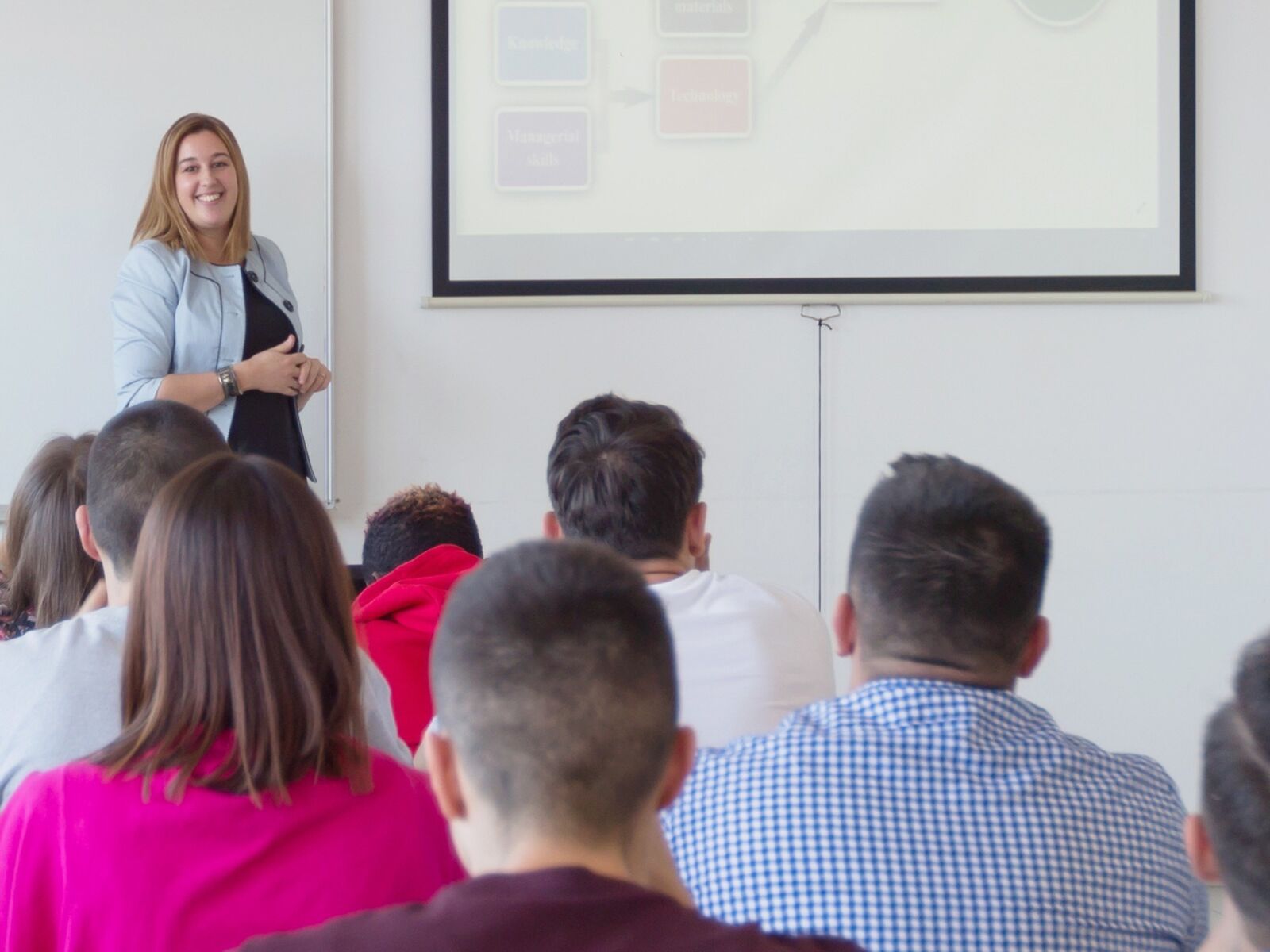
Many schools invest heavily in professional development, yet teachers often leave training sessions with few practical tools they can immediately apply in the classroom. The problem is not the idea of PD itself. It is that too much professional development remains disconnected from daily instruction, ongoing support, and real implementation.
What Is Effective Professional Development?
Effective professional development helps teachers strengthen classroom instruction through ongoing, practical, and collaborative learning experiences. Unlike one-time workshops or compliance-driven training, high-quality professional development focuses on sustained growth, real classroom application, and strategies that improve student learning and engagement over time.
Professional development refers to the ongoing training, learning, and support schools provide to help teachers improve instructional practice and student outcomes. Effective PD goes beyond simply delivering information to teachers. It creates opportunities for educators to actively apply new strategies, collaborate with colleagues, reflect on instruction, and receive ongoing support as they implement changes in the classroom.
High-quality professional development is deeply connected to the everyday challenges teachers face and is designed to support continuous instructional growth. It can include instructional coaching, collaborative planning, peer observation, workshops, classroom-based support, and reflective practice that helps teachers refine instruction over time rather than after a single training session.

Imagine this: It’s Tuesday afternoon. Ms. Rivera finishes her last math block and joins two colleagues in the library. Their instructional coach, who has been in their classrooms multiple times this month, starts by reviewing student work from the previous week. Together, they adjust a lesson on number sense, practice a new discourse routine, and leave with concrete instructional changes they plan to use the next day.
There is honest reflection, collaboration, and immediate application. No one feels talked at. Teachers feel supported, capable, and equipped to improve instruction in real time. By Friday, those small instructional shifts are already changing how students engage, explain their thinking, and approach problem solving. That is what effective professional development looks like.
- Effective PD is ongoing, not one-time training
- The best professional development is tied directly to classroom practice
- Teachers need time to collaborate, reflect, and apply new learning
- Coaching and job-embedded support improve implementation
- Research shows sustained PD leads to stronger student outcomes
- Successful PD respects teacher expertise while providing practical support
- Schools often struggle with time, consistency, and implementation follow-through
- Strong professional learning should feel useful, actionable, and sustainable
What Makes Professional Development Effective?
Many traditional PD models have little long-term impact on classroom instruction or student learning. One-day presentations, disconnected initiatives, and “sit and get” trainings often create temporary motivation without lasting instructional change.
Effective professional development looks very different. It is ongoing, collaborative, evidence-based, connected to classroom practice, and designed around the real challenges teachers face every day. For schools trying to improve instruction, teacher confidence, student engagement, or academic outcomes, understanding what high-quality PD actually looks like is essential.
Key Concepts of Effective Professional Development
| Key Concept | Why It Matters |
| Ongoing Learning | Sustained support leads to stronger instructional change |
| Classroom Relevance | Teachers are more likely to apply learning that connects directly to daily instruction |
Active Participation
Honest Reflection | Teachers learn more effectively through discussion, practice, and hands-on engagement
Teachers grow when they regularly examine student outcomes, celebrate successes, and adjust their practice with openness and curiosity |
| Collaboration | Shared learning strengthens consistency and professional growth |
| Practical Application | PD should help teachers immediately use new strategies in the classroom |
| Student Impact | Effective professional development improves both teaching practice and student learning outcomes |
Why Traditional PD Often Falls Short
Many educators recognize ineffective professional development because they have experienced it themselves. Too often, PD relies on one-time workshops that may feel inspiring in the moment but provide little follow-up support once teachers return to the classroom. Without coaching, collaboration, reflection, or time to apply new strategies, implementation often fades quickly.
Professional development can also become too theoretical and disconnected from real classroom challenges. Teachers need practical strategies they can realistically use with actual students, pacing demands, and instructional pressures. Schools sometimes make the problem worse by introducing too many disconnected initiatives at once, leaving teachers overwhelmed instead of supported.
PD is also less effective when teachers feel it is being done to them rather than developed with them. Strong professional learning respects teacher expertise, includes collaboration and feedback, and focuses on sustainable instructional improvement over time.
Effective PD
- Ongoing and sustained over time
- Connected directly to classroom practice
- Includes collaboration and discussion
- Provides coaching and follow-up support
- Focused on student learning outcomes
- Gives teachers practical, usable strategies
- Encourages reflection and adjustment
- Respects teacher expertise and input
- Job-embedded and relevant to real classrooms
- Builds consistency over time
- Includes active learning and modeling
- Supported by school leadership and systems
Ineffective PD
- One-time workshop or isolated training
- Generic or disconnected from daily teaching
- Primarily passive listening
- No implementation support after training
- Focused only on compliance or completion
- Heavy on theory with little application
- Treats one workshop like a magic wand
- Top-down with little teacher voice
- Separate from actual instructional challenges
- Constantly shifts between new initiatives
- Relies mostly on lectures or presentations
- Lacks administrative support or follow-through
What the Research Says About Effective PD
Research around teacher learning has become increasingly clear over the last two decades. Effective professional development tends to share several consistent characteristics.
It Is Sustained Over Time
The good news? Research gives us a clear roadmap — and it’s one that actually works in real schools. According to research from the Learning Policy Institute, PD that extends over weeks or months is significantly more effective than short-term sessions.
Teachers need time to:
- Learn new strategies
- Practice implementation
- Reflect on challenges
- Adjust instruction
- Receive feedback
Instructional change is a process, not a single event.
It Is Connected to Classroom Practice
Teachers are more likely to implement learning when PD directly connects to:
- Daily instruction
- Student work
- Assessment data
- Curriculum goals
- Classroom routines
The more relevant the learning feels, the more likely it is to transfer into practice.

It Includes Active Learning
Research supports PD models where teachers actively engage in:
- Discussion
- Modeling
- Practice
- Lesson analysis
- Collaborative planning
- Reflection
Passive listening alone rarely leads to meaningful instructional change.
Coaching Improves Implementation
Instructional coaching and job-embedded support consistently improve implementation quality.
Teachers benefit from opportunities to:
- Observe strategies in action
- Receive feedback
- Problem solve in real time
- Reflect on student responses
- Adjust practice with support
What Good PD Looks Like in Schools
Strong professional development is often easier to recognize in practice than in theory. Here are several characteristics commonly found in effective school-based PD.
Teachers Collaborate Regularly
High-quality PD creates structured opportunities for teachers to:
- Analyze student thinking
- Discuss instructional decisions
- Share strategies
- Solve classroom challenges together
Professional learning communities, coaching cycles, and collaborative planning time can all support this work.
Learning Is Ongoing
Instead of isolated trainings, effective PD often includes:
- Follow-up sessions
- Coaching support
- Reflection opportunities
- Classroom application
- Continuous refinement
The learning continues after the workshop ends.
Teachers Can Apply Learning Immediately
Effective PD gives teachers practical strategies they can use right away — not months from now. Think back to Ms. Rivera and her team: they didn’t leave their collaboration time with vague theory or a hefty binder. They walked out with concrete tweaks to their number sense lesson, a practiced discourse routine, and clear plans for tomorrow’s math block.
That’s the power of strong professional development. It equips teachers with actionable ideas, simple tools, and flexible frameworks that connect directly to their current students, curriculum, and classroom realities. No scripted scripts or one-size-fits-all solutions — just realistic, adaptable strategies that respect the complexity of real teaching days.
School Leadership Supports the Work
Even strong PD can struggle without leadership alignment.
Schools tend to see stronger results when administrators:
- Protect collaboration time
- Prioritize instructional consistency
- Support implementation realistically
- Avoid overwhelming staff with competing initiatives
Common Implementation Challenges Schools Face
Because let’s be honest — teachers’ plates aren’t just full… they’re running over with a side of unexpected fire drills. When schools understand what effective professional development should look like, implementation can still be challenging. Teachers already manage demanding schedules filled with instruction, planning, assessment, communication, and intervention responsibilities. Sustainable PD models must respect those workload realities and fit within the daily rhythm of school life.
Schools also often struggle with consistency over time. Initiatives begin with enthusiasm but lose momentum without ongoing support, leadership alignment, and clear follow-through. Staff turnover adds another layer of difficulty, especially when new teachers join mid-year without the same training or instructional background as the rest of the team.
Competing priorities can also make implementation difficult. Testing demands, curriculum changes, behavioral concerns, and intervention needs all compete for time and attention. At the same time, professional learning must support teachers with very different experience levels. Strong PD balances the needs of newer educators and experienced teachers without overwhelming either group or oversimplifying the work.
Effective PD Frameworks Schools Commonly Use
| PD Framework | What It Looks Like in Practice | Primary Benefit |
| Instructional Coaching | Teachers receive ongoing support through observation, modeling, reflection, and feedback cycles. | Helps teachers apply new strategies more consistently in real classrooms. |
| Professional Learning Communities (PLCs) | Teacher teams collaborate around student learning, instructional strategies, and assessment data. | Builds collaboration and shared instructional goals across teams. |
| Job-Embedded Coaching | Teachers apply learning directly during classroom instruction instead of in isolated training sessions. | Makes professional learning more practical and immediately relevant. |
| Lesson Study and Collaborative Planning | Teachers co-plan lessons, analyze student thinking, and refine instruction together. | Improves instructional decision-making and deeper understanding of student learning. |
| Workshop Plus Follow-Up Models | Schools pair workshops with coaching, implementation support, and continued reflection over time. | Increases long-term implementation and reduces the “one-and-done” training problem. |
What Teachers Often Want From Professional Development
Teachers consistently report that the most valuable PD experiences are:
- Relevant to their classrooms
- Respectful of their expertise
- Practical and actionable
- Collaborative instead of passive
- Focused on student learning
- Supported over time
- Realistic about classroom challenges
Educators generally do not need more information alone. They need support translating ideas into sustainable instructional practice.
Where Curriculum, Resources, and PD Connect
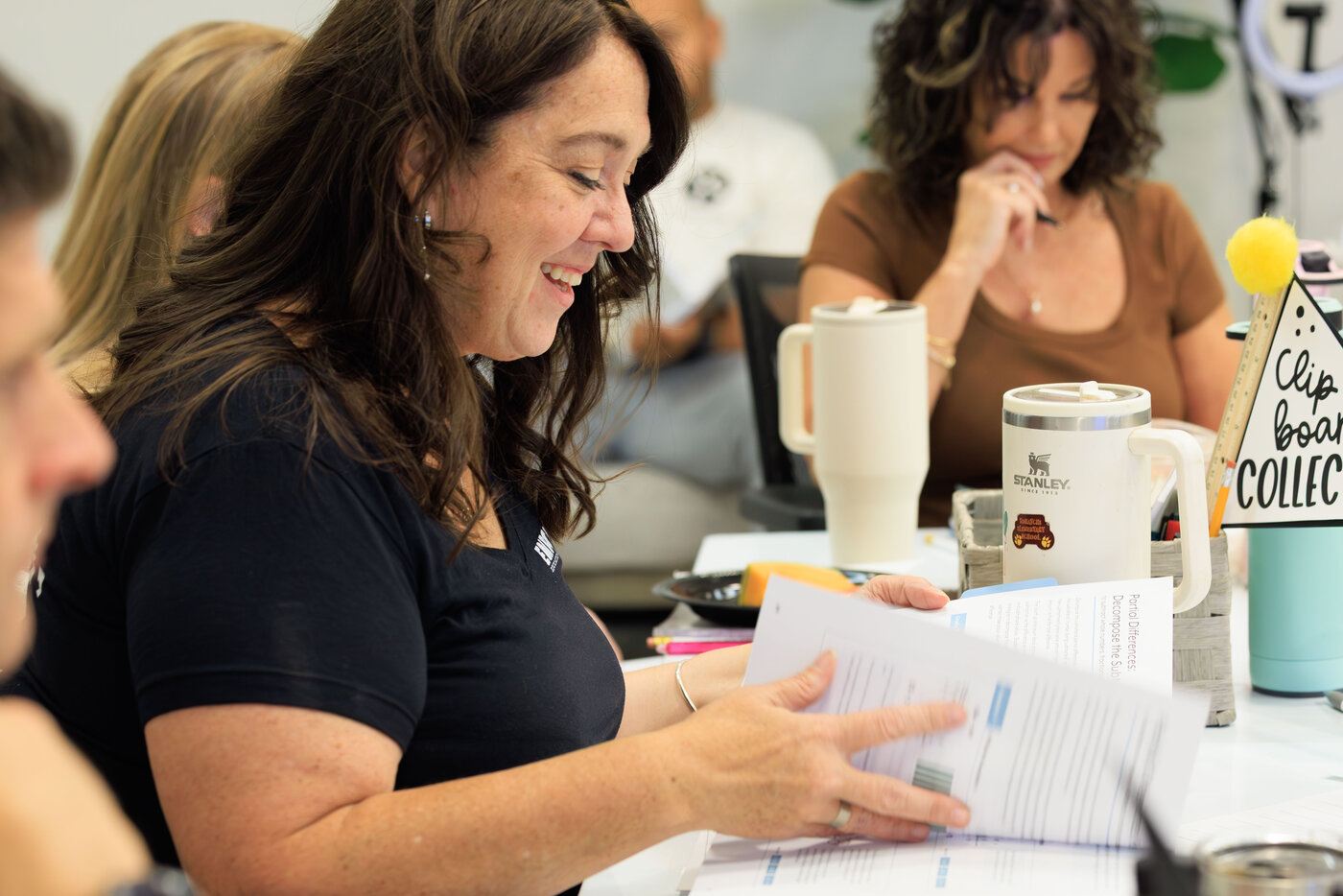
Professional development becomes more effective when instructional resources align with the learning goals teachers are working toward. For example: schools focusing on mathematical reasoning, student discourse, problem solving, number sense, hands-on learning, and student engagement often benefit from having classroom materials and instructional supports that reinforce those same practices. Organizations that provide job-embedded coaching, customized PD, and ongoing support will bridge the gap.
Signs Your School’s PD Is Working
Schools often ask how they can tell whether professional development is actually effective.
Some important indicators include:
Teachers Are Using Strategies Consistently
One of the clearest signs that professional development is working is when instructional practices begin to look more consistent across classrooms. Teachers are not simply attending training sessions. They are actively applying new strategies during instruction and refining them over time. Schools may notice stronger use of student discourse, more consistent instructional routines, improved questioning techniques, or increased use of collaborative learning structures. These shifts become visible gradually as professional learning moves from theory into daily classroom practice.
Teacher Conversations Become More Instruction-Focused
In schools with effective PD, teacher conversations often shift away from logistics and toward instruction. Teams spend more time discussing student thinking, analyzing misconceptions, sharing instructional strategies, and problem solving together. Professional dialogue becomes centered on how students learn and how instruction can improve. This kind of collaborative reflection is often a strong indicator that professional learning is becoming part of the school culture rather than remaining a separate initiative.
Student Engagement Improves
As teachers implement stronger instructional practices, student engagement often improves as well. Students participate more actively in discussions, explain their thinking more confidently, and show greater willingness to engage with challenging tasks. Instead of relying heavily on passive learning or memorization, classrooms become more focused on reasoning, collaboration, inquiry, and meaningful participation. Increased engagement is often one of the first visible outcomes schools notice when instructional shifts begin taking hold.
Teachers Report Greater Confidence
Effective professional development helps teachers feel more prepared to meet the needs of their students. As educators gain experience with new strategies and receive ongoing support, they often become more confident in responding to instructional challenges, differentiating support, facilitating discussions, and adjusting instruction in real time. Confidence tends to grow when teachers have opportunities to practice, reflect, collaborate, and see positive responses from students.
Improvement Continues Beyond the Initial Training
Strong professional development creates lasting momentum rather than temporary enthusiasm. Schools with effective PD systems continue refining instructional practices long after the initial training session ends. Teachers revisit ideas, deepen implementation, share successes and challenges, and build on previous learning over time. Instead of quickly returning to old habits, schools create a culture of continuous improvement where professional learning becomes an ongoing part of instructional growth.
Final Thoughts
Professional development shouldn’t feel like one more thing on teachers' already full plates. When done right, it becomes the supportive foundation that makes everything else in teaching a little easier and a lot more effective.
At its best, strong PD helps educators learn, collaborate, try new ideas, and build classrooms where students feel more confident, engaged, and successful every single day. It’s about creating those meaningful moments of growth—for teachers and students alike—that turn good instruction into truly great teaching.
Frequently Asked Questions
Teacher professional development helps educators improve instructional practice, strengthen content knowledge, and support student learning through ongoing training and collaboration.
Teachers often become frustrated with PD when it feels disconnected from classroom realities, overly theoretical, repetitive, or lacking follow-up support. Effective PD respects teacher expertise and provides practical, relevant strategies.
Research suggests that professional development is more effective when it occurs over an extended period rather than as isolated sessions. Ongoing coaching, reflection, and implementation support tend to improve long-term results.
Instructional coaching helps teachers apply new learning in real classroom settings. Coaches can provide modeling, feedback, collaboration, and implementation support that strengthens instructional practice over time.
Sustainable PD includes leadership support, teacher collaboration, realistic implementation expectations, ongoing follow-up, and alignment with classroom practice and school goals.