What Are Fractions?
Fractions represent equal parts of a whole, set, or quantity. They help students describe relationships between numbers that are smaller than one whole and build the foundation for later concepts like ratios, decimals, percentages, and algebraic reasoning. In upper elementary classrooms, fraction instruction is most effective when students can visualize fractions, compare values, explain their thinking, and connect models to real mathematical meaning instead of memorizing isolated procedures.
Teaching Fractions in Upper Elementary
Teaching fractions in upper elementary takes more than worksheets and repeated practice pages. Students need opportunities to model fractions, compare values, explain their reasoning, and connect visual representations to mathematical thinking. When fraction instruction includes discussion, hands-on learning, and meaningful problem-solving, students are far more likely to develop a lasting understanding and confidence.
The strongest fraction activities are not just engaging. They are intentionally designed to help students reason about fractions, use benchmark numbers, recognize equivalence, and communicate mathematical thinking clearly.
These three classroom-tested activities from the Empower Education Connections upper elementary math kit were designed to support exactly that kind of learning. Each activity combines visual reasoning, mathematical discussion, and active participation to help students build conceptual understanding of fractions in grades 4–6.
- Strong fraction instruction focuses on reasoning, discussion, and visual models rather than memorization alone.
- Students develop a deeper understanding when they compare, model, and explain fractions using benchmark numbers and mathematical language.
- Hands-on fraction activities help students build confidence, number sense, and conceptual understanding.
- Math talk and collaborative learning strengthen retention and reveal misconceptions in real time.
- Benchmark fractions like 0, 1/2, and 1 support estimation and flexible fraction reasoning.
- Fraction activities are most effective when they include multiple entry points for diverse learners.
Why Upper Elementary Students Often Struggle With Fractions
Fractions are one of the first math concepts where students must think beyond whole numbers. Many students can follow fraction procedures without fully understanding what fractions represent. That often leads to confusion, frustration, and gaps that continue into middle school mathematics.
Some of the most common fraction misconceptions include:
- Thinking that larger denominators mean larger fractions
- Treating numerators and denominators as separate whole numbers
- Struggling to understand equivalent fractions
- Relying on memorized rules instead of reasoning
- Difficulty comparing fractions with unlike denominators
Strong fraction instruction helps students move beyond memorization by giving them repeated opportunities to model, compare, discuss, and justify their thinking.
Making the Most of Fraction Activities
Making the most of fraction activities means thinking beyond whether students are simply busy or having fun. The strongest fraction lessons give students repeated chances to model ideas, talk through their thinking, test strategies, and make sense of how fractions work.
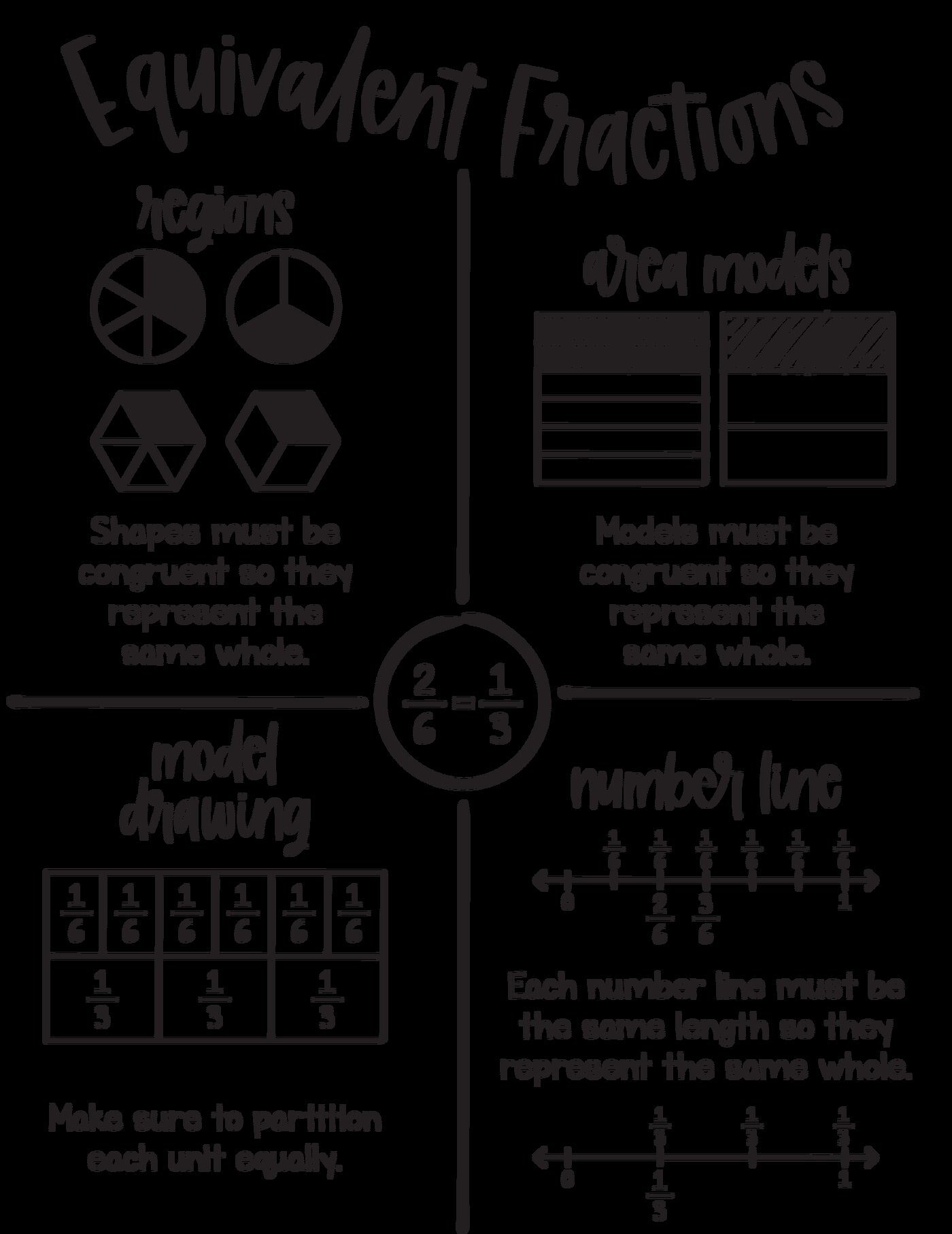
When activities are structured with purpose, they can help students develop a deeper understanding of equivalence, comparison, and composition instead of relying on memorized rules. For teachers, the goal is not just to choose engaging tasks but to create learning experiences that invite reasoning, discussion, and multiple ways into the math.
Make Math Talk Part of Every Fraction Lesson
One of the best ways to strengthen fraction instruction is to make math talk part of every lesson. Fraction activities become much more powerful when students are expected to explain what they did, describe the model they used, and justify how they know their answer makes sense. Simple routines like partner discussions, turn-and-talk, whole-group sharing, and sentence stems can help students build both conceptual understanding and precise mathematical language.
The most effective part of an activity is often not the game or manipulative alone, but the conversation that surrounds it. When students explain their reasoning and respond to others, they deepen their understanding of fractions in meaningful ways.

Rotate Fraction Practice Through Workstations
It is also helpful to rotate fraction practice through workstations. A station-based structure keeps learning active while giving students opportunities to work on different skills in focused ways. One station might target benchmark fractions, another equivalent fractions, another comparing fractions, and another addition or decomposition.
This approach helps maintain engagement and makes it easier to differentiate for a range of learners. It also gives students multiple entry points into fraction concepts, which can be especially useful in upper elementary classrooms where understanding often develops at different rates.
Compare Fractions Through Reasoning, Not Guessing
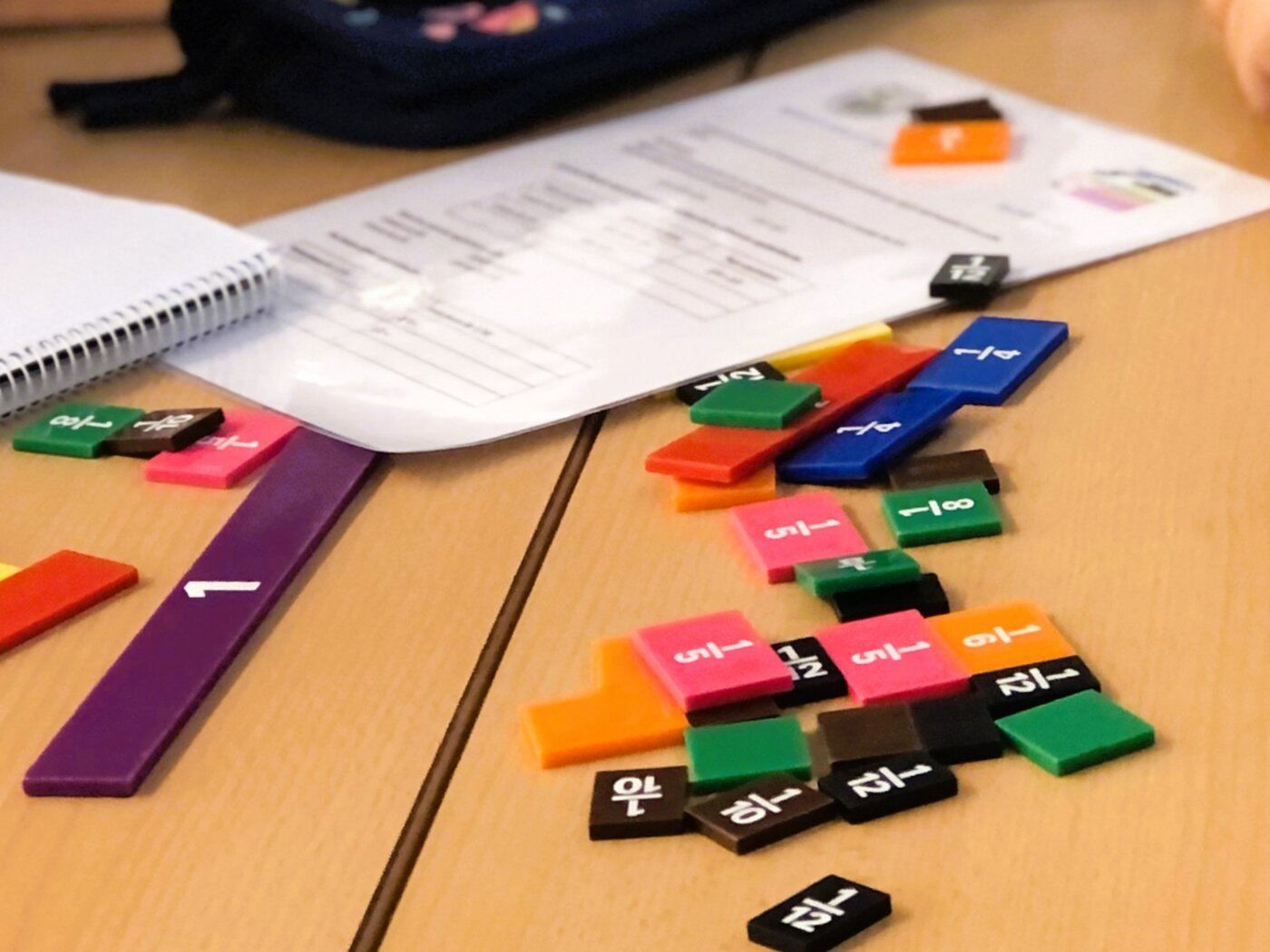
When teaching students to compare fractions, it is important to focus on reasoning rather than guessing. Students need opportunities to think about the size of fractions and explain why one amount is greater than another. Visual models such as fraction strips can help students notice important patterns, including the idea that when fractions have the same numerator, the fraction with the smaller denominator represents a larger piece, assuming the wholes are the same size.
Students also benefit from comparing fractions to familiar benchmarks such as 0, 1/2, and 1. Using these reference points helps them make sense of fractions with different numerators and denominators and supports more flexible thinking.
When students learn to reason about fractions, use models purposefully, and communicate their ideas clearly, they are more likely to carry that understanding into new problems and later grade-level content. Strong fraction activities do more than provide practice. They help students develop confidence, language, and number sense that support long-term success in mathematics.
Three Fraction Activities for Grades 4–6
These activities are part of the Empower Education Connections upper-elementary math kit and are designed to support conceptual understanding of fractions through discussion, visual reasoning, and active learning.
1. Fraction Rejection
Best For:
- Comparing fractions
- Benchmark fraction reasoning
- Mathematical explanation
- Grade 4 fraction standards
Fraction Rejection is a partner game that helps students compare fractions while making strategic decisions about numerator and denominator placement.
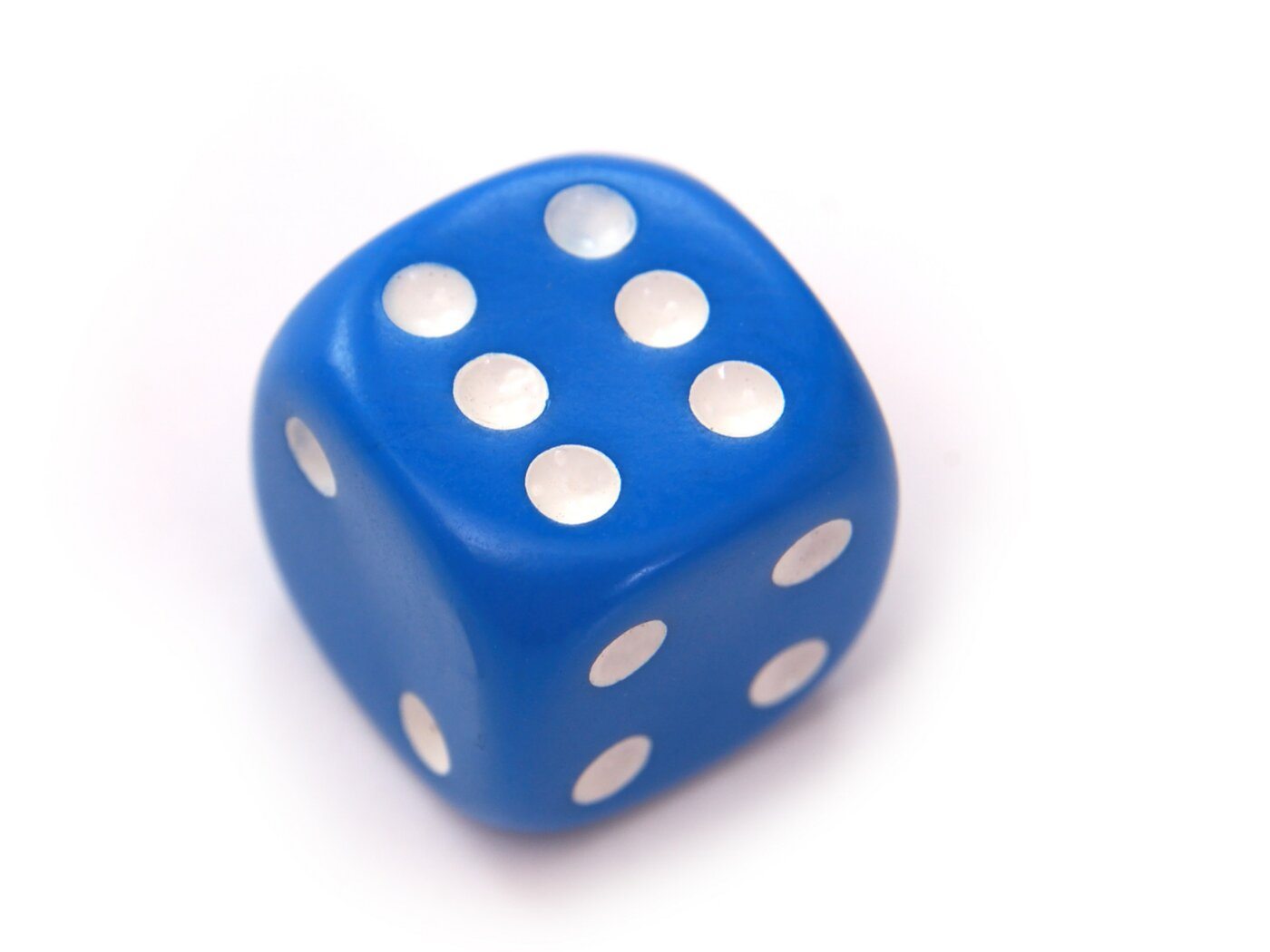
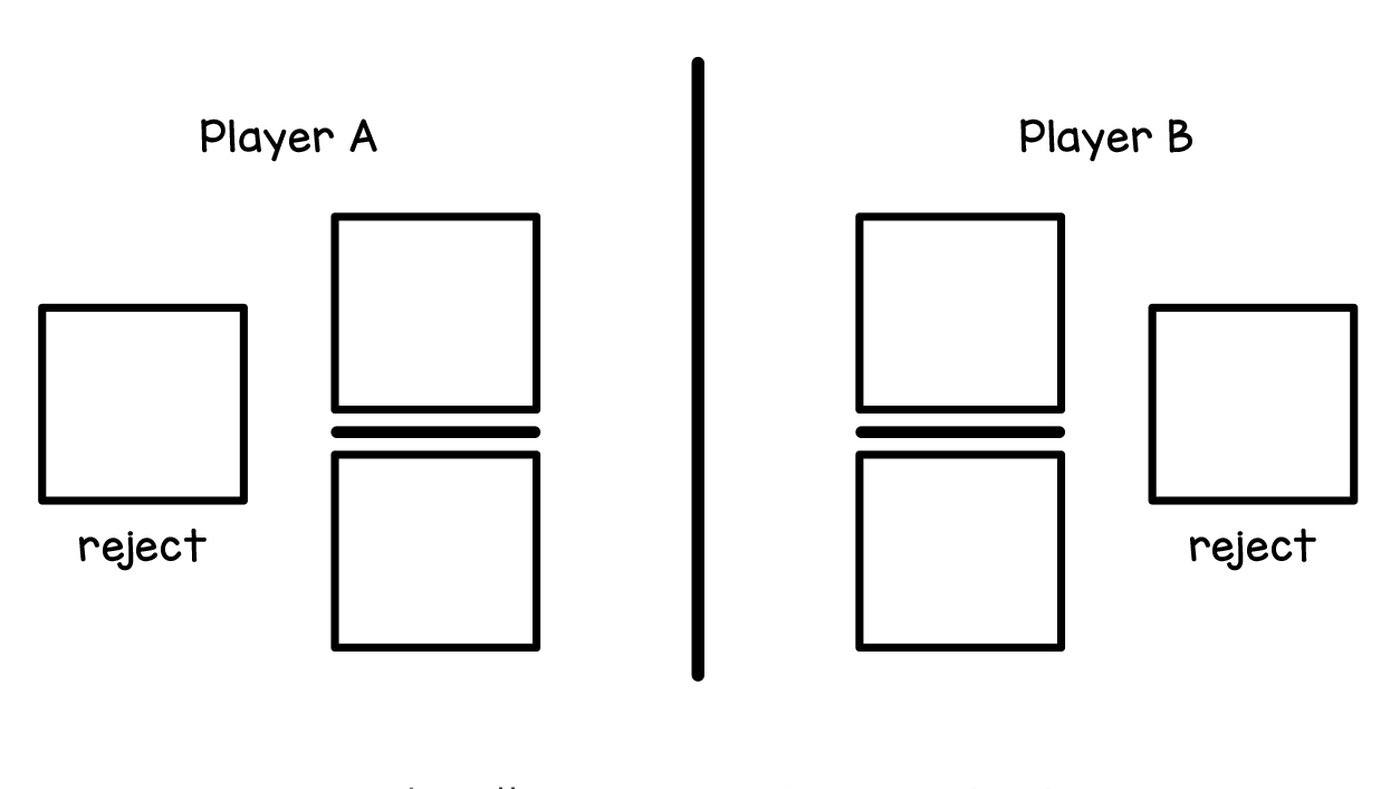
Each student creates a fraction template with a numerator box, a denominator box, and a reject box. Students take turns rolling a die and must decide where to place each number before the next roll. Once placed, the number cannot be moved.
After both fractions are complete, students compare the fractions and justify their reasoning using:
- benchmark fractions
- visual models
- number lines
- common denominators
- drawings
- mathematical language
Because students must explain their thinking, the activity builds both conceptual understanding and communication skills.
Materials
- Whiteboards or math journals
- Dry-erase markers or pencils
- One die per pair
Teacher Prep
Prepare recording spaces with:
- numerator box
- denominator box
- reject box
Decide which comparison strategies students should emphasize during discussion.
Steps
- Students work with a partner.
- Each player creates a fraction space.
- Students take turns rolling a die.
- After each roll, students choose whether to place the number in the numerator, denominator, or reject box.
- Once a number is placed, it cannot be changed.
- When both fractions are complete, students compare the fractions.
- Students justify their thinking using models, words, or number lines.
- Students record the comparison using >, <, or =.
- Repeat for additional rounds.
What Teachers Should Listen For
Students may say:
- “This fraction is greater because the pieces are larger.”
- “I know this is closer to one-half.”
- “These fractions are equivalent.”
- “The denominator is smaller, so each piece is larger.”
These conversations help reveal student understanding and misconceptions in real time.
Common Misconceptions This Activity Addresses
- Larger denominator confusion
- Comparing fractions only by the numerator
- Weak benchmark understanding
- Difficulty visualizing fraction size
2. Fraction Shake
Best For:
- Adding fractions with like denominators
- Equivalent fractions
- Fraction simplification
- Collaborative discussion
Fraction Shake turns fraction practice into a hands-on classroom routine that combines movement, discussion, and repeated practice.
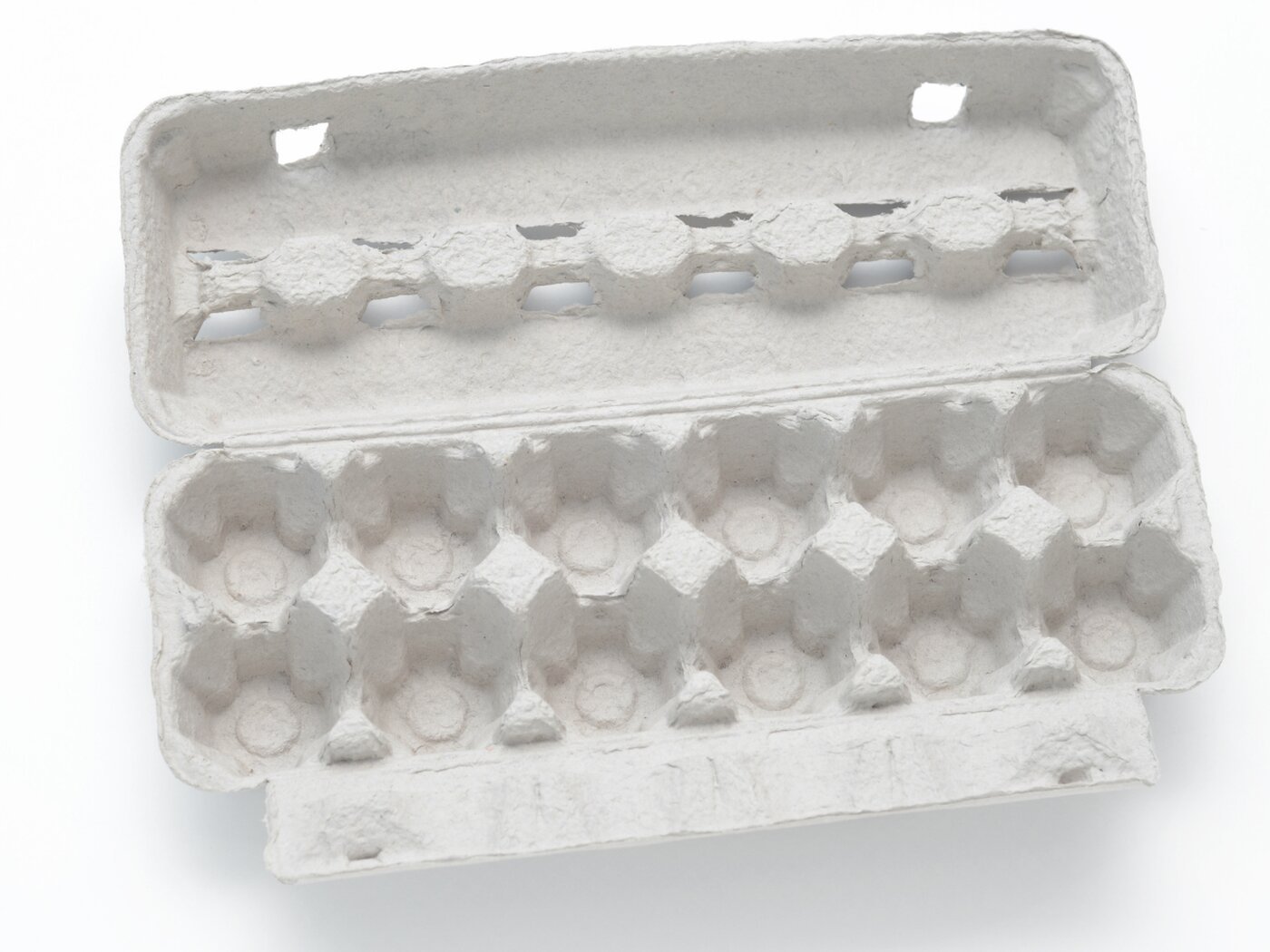
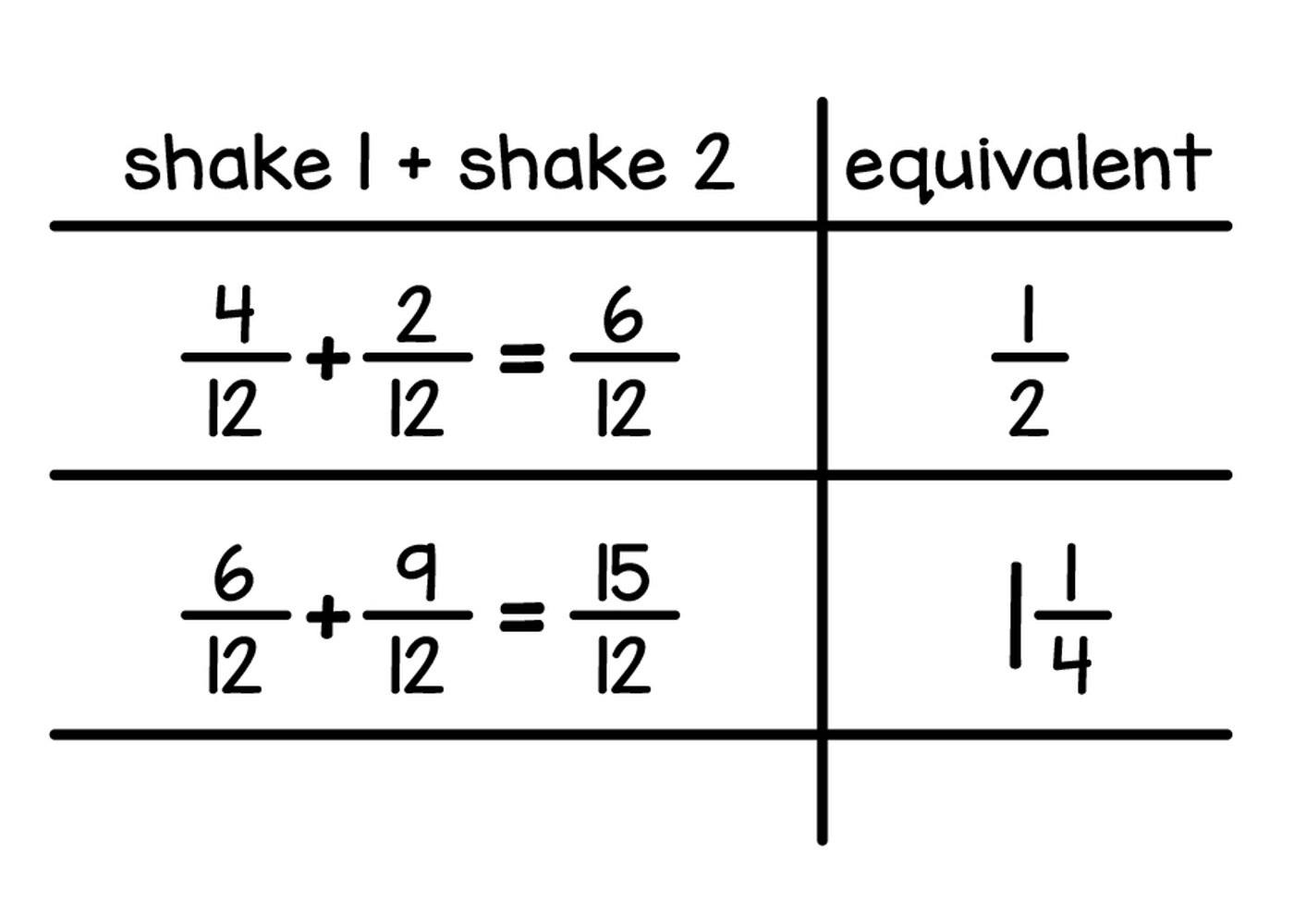
Students use an egg carton labeled 1–12 and a counter to generate two fractions with a denominator of 12. Students add the fractions, then simplify the sum to its simplest equivalent form.
Because every shake creates a new problem, students get meaningful repeated practice without the activity feeling repetitive.
Why This Activity Works
Fraction Shake supports conceptual understanding because students:
- generate their own problems
- repeatedly work with equivalent fractions
- discuss simplification strategies
- connect concrete models to symbolic notation
The activity also creates natural opportunities for partner discussion and mathematical explanation.
Materials
- Egg cartons labeled 1–12
- One counter
- Whiteboards or math journals
Teacher Prep
Label each egg carton space with numbers 1–12.
Decide whether students should:
- only record answers
- explain equivalent fractions
- show visual models
- compare strategies
Steps
- Divide students into groups of 2 or more.
- Instruct each group to shake the egg carton gently and open it carefully.
- Have students record the fraction shown in the carton.
- Direct groups to shake the carton again to generate a second fraction.
- Ask students to add the two fractions together.
- Guide students to simplify the sum to its lowest equivalent form.
- Require groups to explain why the fractions (or the resulting sum) are equivalent.
- Continue with additional rounds as time permits.
Differentiation Ideas
- Provide fraction strips for students needing visual support.
- Challenge advanced students to explain multiple simplification strategies.
- Ask students to estimate whether the sums are greater than or less than 1 before solving.
Common Misconceptions This Activity Addresses
- Difficulty understanding equivalent fractions
- Over-reliance on procedural simplification
- Weak understanding of fraction composition
3. Benchmark Fractions
Best For:
- Fraction number sense
- Benchmark reasoning
- Estimation
- Fraction comparison
- Grades 4–6
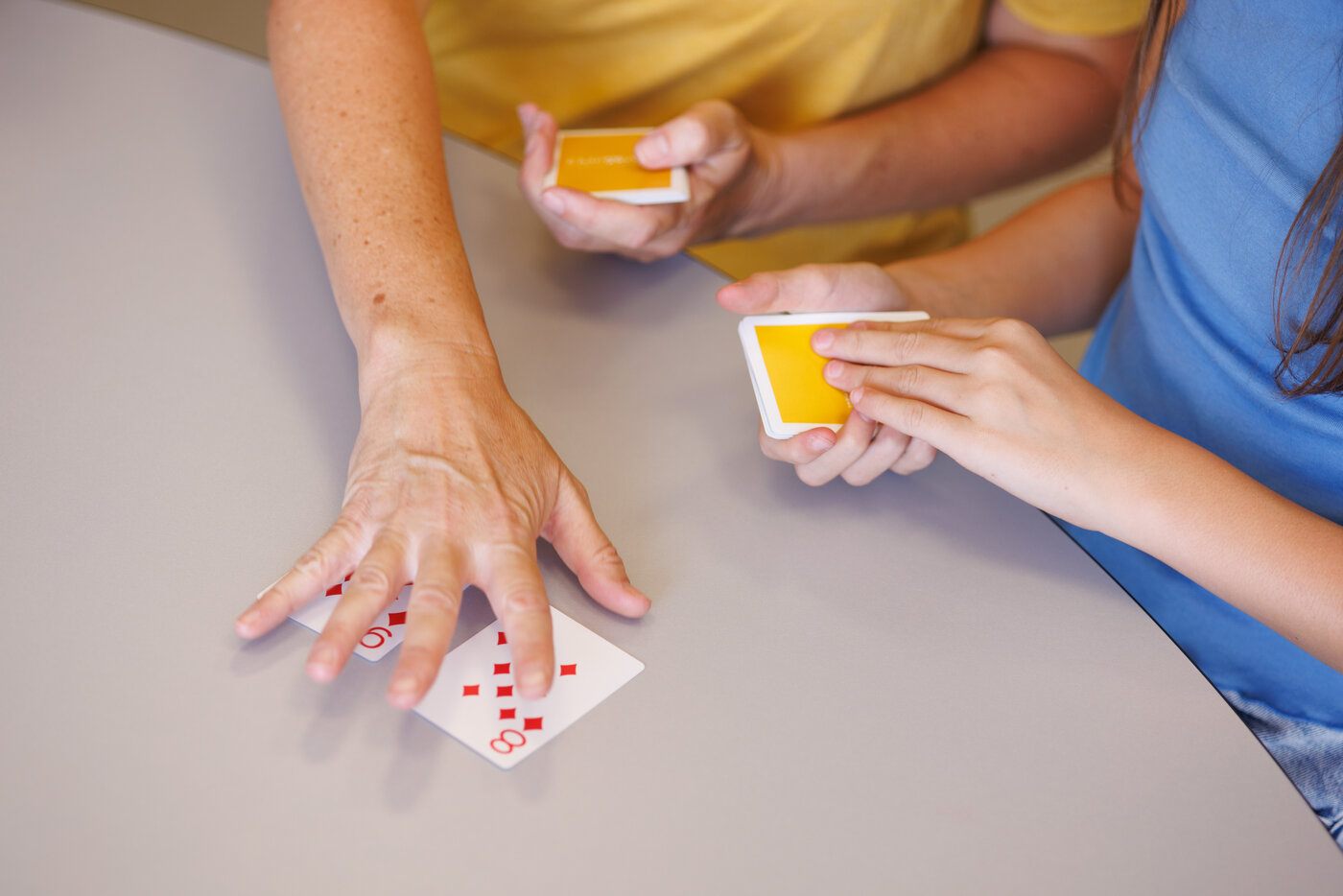
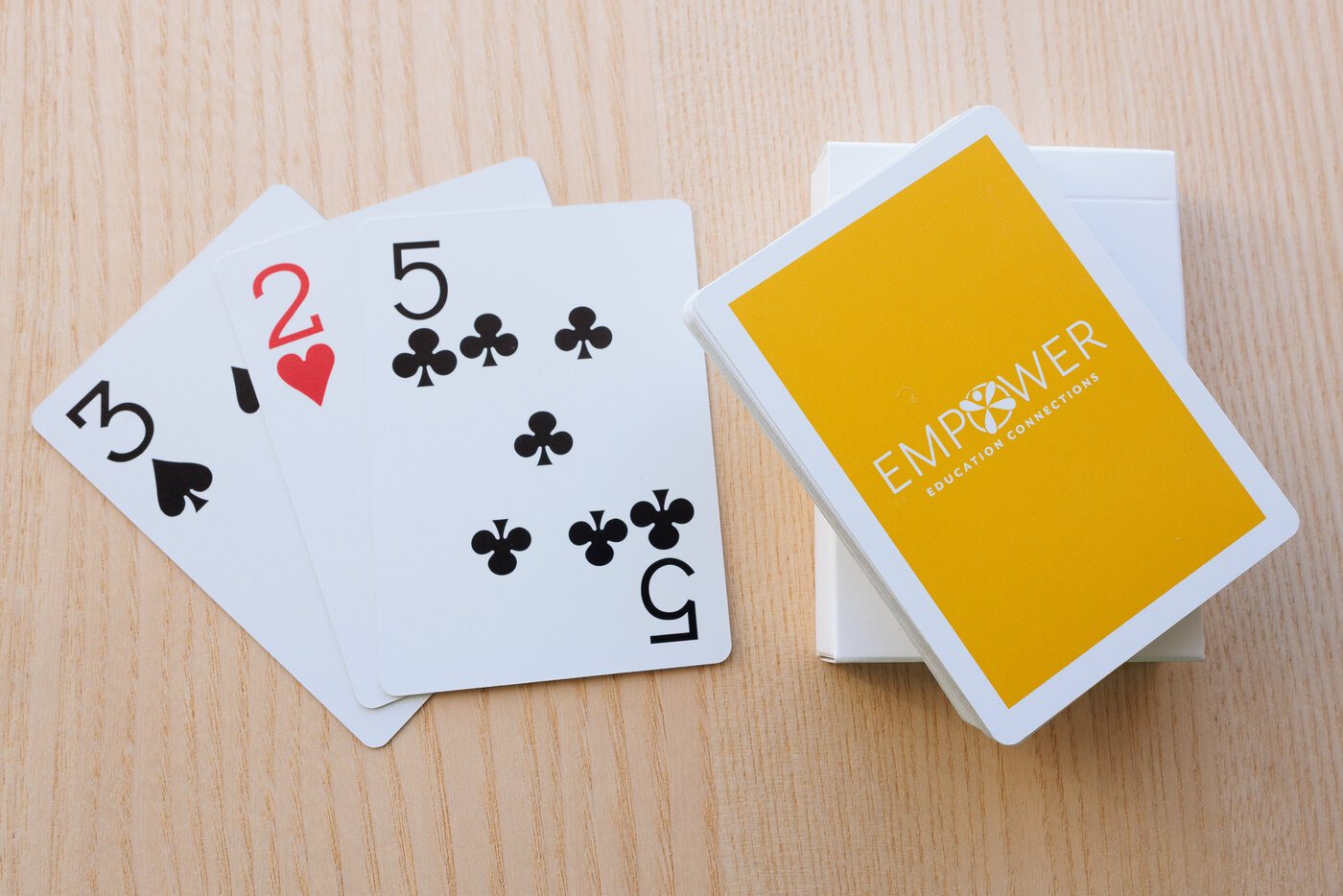
Benchmark Fractions is a card game designed to strengthen fraction number sense through estimation and reasoning.
Students receive five cards and attempt to create a fraction as close as possible, but not equal, to a target benchmark number, such as:
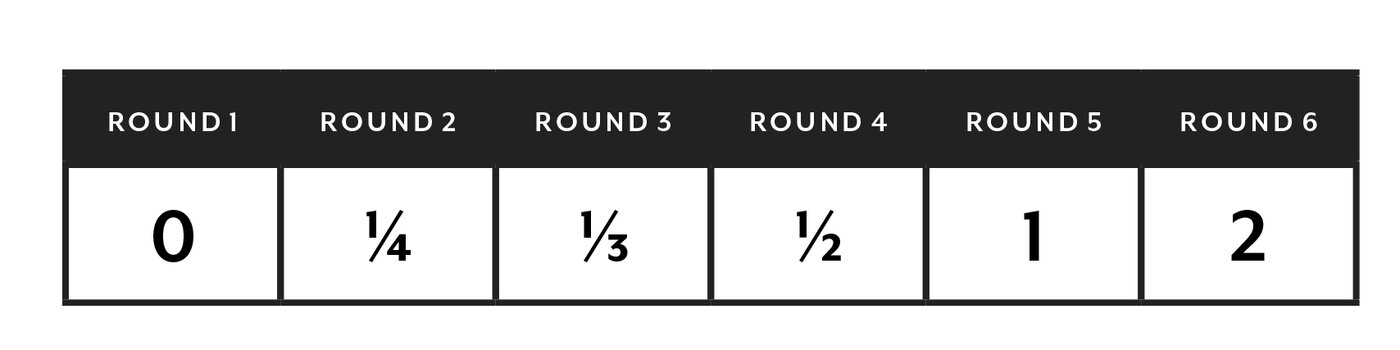
Students reveal their fractions, compare answers, and justify which fraction is closest to the target value.
This activity helps students develop flexible thinking about fraction size rather than relying only on procedures.
Materials
- Deck of cards with 7s, 9s, jacks, and queens removed
- Kings represent 100
- Whiteboards or math journals
Teacher Prep
Prepare the card deck and display the benchmark targets for students.
Steps
- Students play in groups of 2–4.
- Deal five cards to each player.
- Students choose two cards to create a fraction closest to the target value.
- Students reveal their fractions.
- Students explain their reasoning.
- The winner collects the played cards.
- Players draw new cards.
- Continue for six rounds.
Why Benchmark Fractions Matter
Benchmark fractions help students build strong number sense and reason more flexibly about fractions. When students understand how fractions relate to 0, 1/2, 1, and whole numbers, they are better able to estimate, compare values, compute accurately, and solve more complex fraction problems with confidence.
What Teachers Should Listen For
Students may explain:
- “This fraction is only one piece away from one whole.”
- “This is closer to one-half because the numerator is about half the denominator.”
- “These two fractions are close, but this one is slightly larger.”
These discussions build deeper mathematical reasoning and language.
How to Differentiate Fraction Activities for Diverse Learners
Strong fraction instruction includes multiple entry points for students with different learning needs.
For Students Needing Support
- Provide fraction strips or visual models
- Use partner discussion before independent work
- Encourage estimation before calculation
- Model benchmark reasoning aloud
For Multilingual Learners
- Use sentence stems
- Encourage visual explanations
- Include partner discussion routines
- Preteach vocabulary such as numerator, denominator, equivalent, and benchmark
For Students Ready for Extension
- Ask students to justify multiple strategies
- Introduce improper fractions and mixed numbers
- Have students create their own benchmark challenges
- Encourage algebraic thinking and pattern recognition
Connecting Fraction Activities to Grade-Level Standards
Strong fraction instruction should connect directly to grade-level standards while also helping students develop deep mathematical understanding. These activities align naturally with upper elementary fraction standards by giving students opportunities to compare fractions, explore equivalence, use benchmark reasoning, and explain their mathematical thinking through discussion and visual models.
Across grades 4–6, students build important fraction concepts that support future success in ratios, proportions, decimals, percentages, and algebraic reasoning. Because these activities focus on representation, reasoning, and problem-solving rather than memorization alone, they support both conceptual understanding and procedural fluency.
Standards Alignment for Grades 4–6
| Grade Level | Standards Focus | Skills Supported |
| Grade 4 | Fraction comparison standards | Comparing fractions, benchmark reasoning, visual fraction models, and mathematical explanation |
| Grade 5 | Fraction addition and equivalence standards | Equivalent fractions, adding fractions with like denominators, visual models, and reasoning strategies |
| Grade 6 | Ratio reasoning and rational number foundations | Ratio reasoning, rational number understanding, mathematical argumentation, and conceptual fraction understanding |
Why Hands-On Fraction Activities Improve Learning
Research and classroom experience consistently show that students learn fractions more effectively when they can:
- see fraction relationships visually
- manipulate models
- explain their reasoning
- compare strategies
- participate in a mathematical discussion
Hands-on activities help students connect abstract symbols to meaningful quantities. Discussion routines strengthen retention because students must organize and clearly communicate their thinking.
Students are more likely to develop lasting confidence and understanding when fraction instruction combines visual learning, movement, discussion, reasoning, and repeated exposure.
Final Thoughts
Fractions make more sense when students can talk about their thinking, use models, and learn by doing instead of just memorizing rules. Hands-on activities and collaborative learning help build confidence, strengthen number sense, and make math feel more approachable. When instruction focuses on understanding and reasoning, students are better prepared to take on future math with confidence.
Frequently Asked Questions
The best fraction activities give students opportunities to model, compare, discuss, and explain their thinking. Fraction strips, number lines, games, and collaborative routines help students build understanding while keeping learning active and engaging. When students can see and talk through fraction relationships, concepts become much more meaningful.
Many students memorize procedures for equivalent fractions without understanding the relationships behind them. Visual models and hands-on practice help students see how different fractions can represent the same value. Repeated reasoning and discussion build stronger conceptual understanding and confidence.
Benchmark fractions like 0, 1/2, and 1 help students estimate and compare fractions more flexibly. These reference points strengthen number sense and help students reason about fraction size more confidently. Benchmark thinking also supports success with more advanced fraction concepts later on.
Fraction lessons become more engaging when students are actively involved in the learning process. Games, partner discussions, visual models, and hands-on activities help students stay connected to the math while building a deeper understanding. Giving students opportunities to explain their thinking also increases confidence and participation.
Manipulatives help students make abstract fraction concepts more concrete and easier to understand. Fraction strips, number lines, area models, counters, and visual cards all support a deeper understanding of fraction relationships and equivalence. These tools help students build stronger number sense through modeling and exploration.